WSET Wines: everything you need to know

Do you love wine but sometimes feel like conversations around a bottle sound like a foreign language?
“Beautiful minerality, elegant tannic structure, a persistent finish with tertiary aromas…”
Translation: “It tastes good, but no one actually explained why.”
That is exactly where a WSET wine course can make a difference. The WSET (Wine & Spirit Education Trust) offers a structured way to learn about wine, build your tasting skills and understand what is behind the wine in your glass. And no, you don’t need to be a sommelier or know every French appellation by heart before opening your first bottle.
But what exactly is WSET? Who are WSET wine courses for? Is a WSET qualification only useful for wine professionals? And most importantly… do you need to be a wine expert to get started?
Spoiler: absolutely not.
What is WSET in wine?
The WSET (Wine & Spirit Education Trust) is an international organisation specialising in wine and spirits education and certification. Founded in London in 1969, WSET now offers internationally recognised qualifications, designed for both industry professionals and wine enthusiasts looking to deepen their knowledge.
Unlike a simple introduction to wine, a WSET wine course follows a structured educational approach: you learn how to analyse wine, understand its origins, identify the factors that influence its style and develop a professional wine vocabulary.
The goal isn’t simply to know whether a wine is good — something that remains highly subjective — but to understand why it is the way it is.
Because between “I like this wine” and “I like this wine because its cool climate provides fresh acidity that balances its fruit character”, there are a few chapters of learning in between.
What is a WSET wine certification for?
A WSET certification is above all a way to build solid knowledge and develop a structured approach to wine.
It allows you to:
Understand how wine is produced
From vineyard to bottle, WSET explains the key stages involved in making wine:
- the influence of climate and terroir;
- the choice of grape varieties;
- winemaking methods;
- the impact of the winemaker’s decisions on the final style of the wine.
No more of the classic “this wine is different because the terroir is special” without actually knowing what that means.
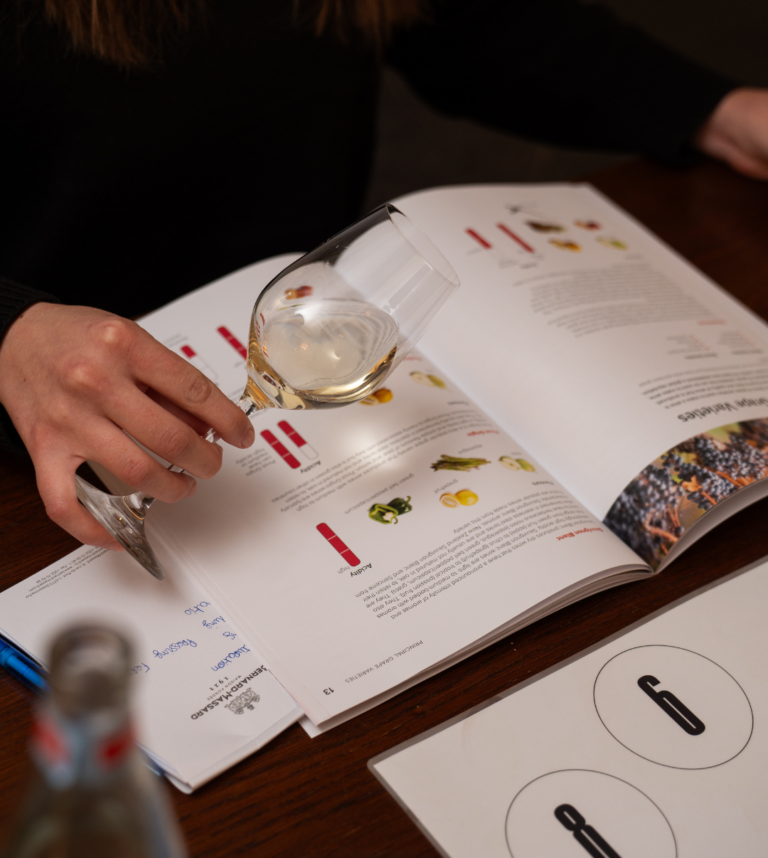
Learn how to taste wine with a professional approach
One of the key pillars of WSET is its structured tasting method, known as the Systematic Approach to Tasting® (SAT).
This method teaches you how to assess a wine objectively by analysing several elements:
- appearance;
- aromas;
- structure (acidity, tannins, alcohol, body…);
- length;
- overall quality of the wine.
Is WSET only for wine professionals?
This is a fairly common misconception. Many people think that WSET is only for sommeliers, wine merchants or people working in the wine industry.
In reality, the qualification is suitable for several different profiles:
Wine enthusiasts
Do you enjoy discovering new bottles, visiting wineries or organising tastings with friends?
WSET allows you to move beyond simply enjoying wine and develop a real understanding of what you are tasting.
Industry professionals
For people working in:
- hospitality;
- restaurants;
- wine retail;
- wine import;
- distribution;
- wine tourism;
a WSET qualification can help strengthen their knowledge, skills and professional credibility.
What are the different WSET wine levels?
Why take a WSET wine course instead of a simple wine tasting class?
A wine tasting class can be an excellent introduction to the world of wine.
The difference with WSET? WSET provides a structured learning path.
You don’t simply taste several wines while discovering their aromas. You learn how to connect the different elements:
- Why is this wine more acidic?
- Why doesn’t this Chardonnay taste the same depending on where it comes from?
- Why do some wines age better than others?
WSET gives you a framework for understanding wine beyond personal preferences.
Is WSET difficult?
The short answer: it depends on the level you choose.
WSET doesn’t require you to have an exceptional palate or a memory capable of remembering every wine appellation in the world (fortunately, even professionals use books).
What it mainly requires is:
- curiosity;
- consistency;
- a willingness to learn.
Wine is a vast world. Nobody knows everything, even after years of working in the industry.
Why choose a WSET course in Luxembourg?
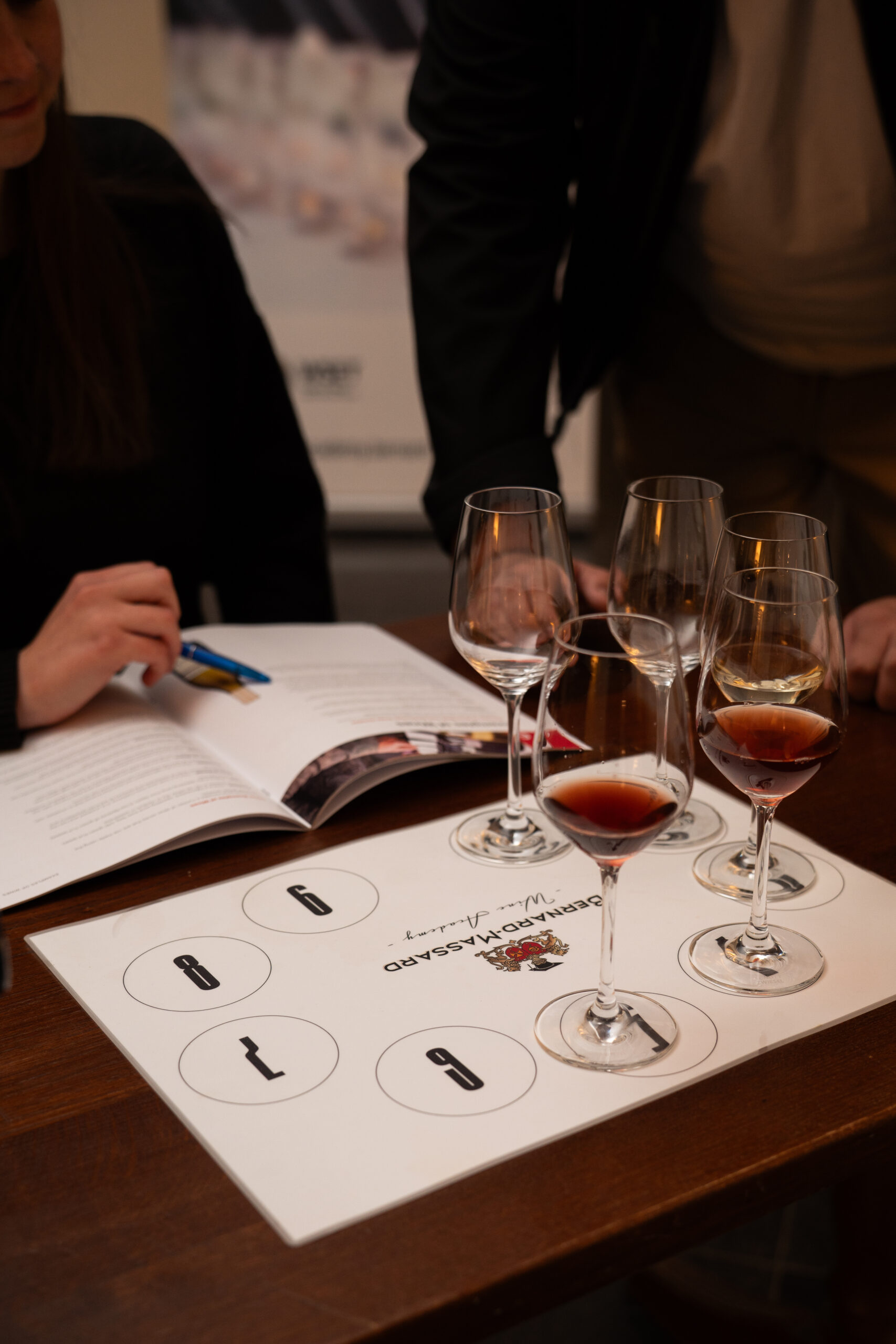
For wine enthusiasts and professionals based in Luxembourg, taking a WSET course in Luxembourg means benefiting from in-person learning, guided tastings and support from specialised educators.
The Bernard-Massard Wine Academy offers WSET wine courses in both French and English, adapted to different levels, in an environment closely connected to the world of wine.
Because learning about wine from a book is one thing… being able to immediately put that knowledge into practice over a glass is another.
So, is WSET in wine right for you?
If you’re simply looking to impress your friends with complicated wine vocabulary over dinner, bad news: WSET probably isn’t the answer.
But if you want to:
- better understand wine;
- taste with more confidence;
- learn an internationally recognised approach;
- develop your personal or professional skills;
then a WSET qualification can be an excellent way to start or continue your journey into the world of wine.
After all, wine is made to be shared. You might as well know what’s really in your glass.