WSET Spirits : 5 reasons to start your spirits journey
Whether you’re a cocktail enthusiast, a curious spirit lover or a hospitality professional, a WSET Spirits course can change the way you taste, understand and choose spirits.
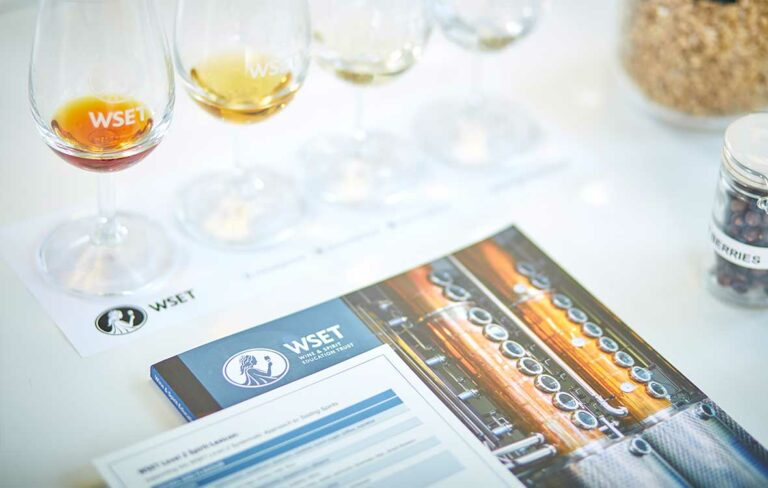
From decoding bottle labels to understanding what makes a great cocktail, the WSET (Wine & Spirit Education Trust) offers a structured way to explore the world of spirits. You’ll discover how production methods influence flavour, develop your tasting skills and learn to recognise the characteristics of different spirit styles.
Still wondering whether a WSET Spirits certification is worth it? Here are five reasons to give it a shot.
1. How to read and understand spirits labels
Single Malt, Añejo, VSOP, London Dry Gin. These aren’t just fancy words on a bottle.
Spirit labels contain valuable clues about what’s inside. But without the right knowledge, terms relating to production, ageing and spirit categories can feel like a language of their own. A WSET Spirits course helps you understand the terminology used across the world of spirits. You’ll explore the main categories, learn how different production methods influence the final product and discover what certain labelling terms actually tell you.
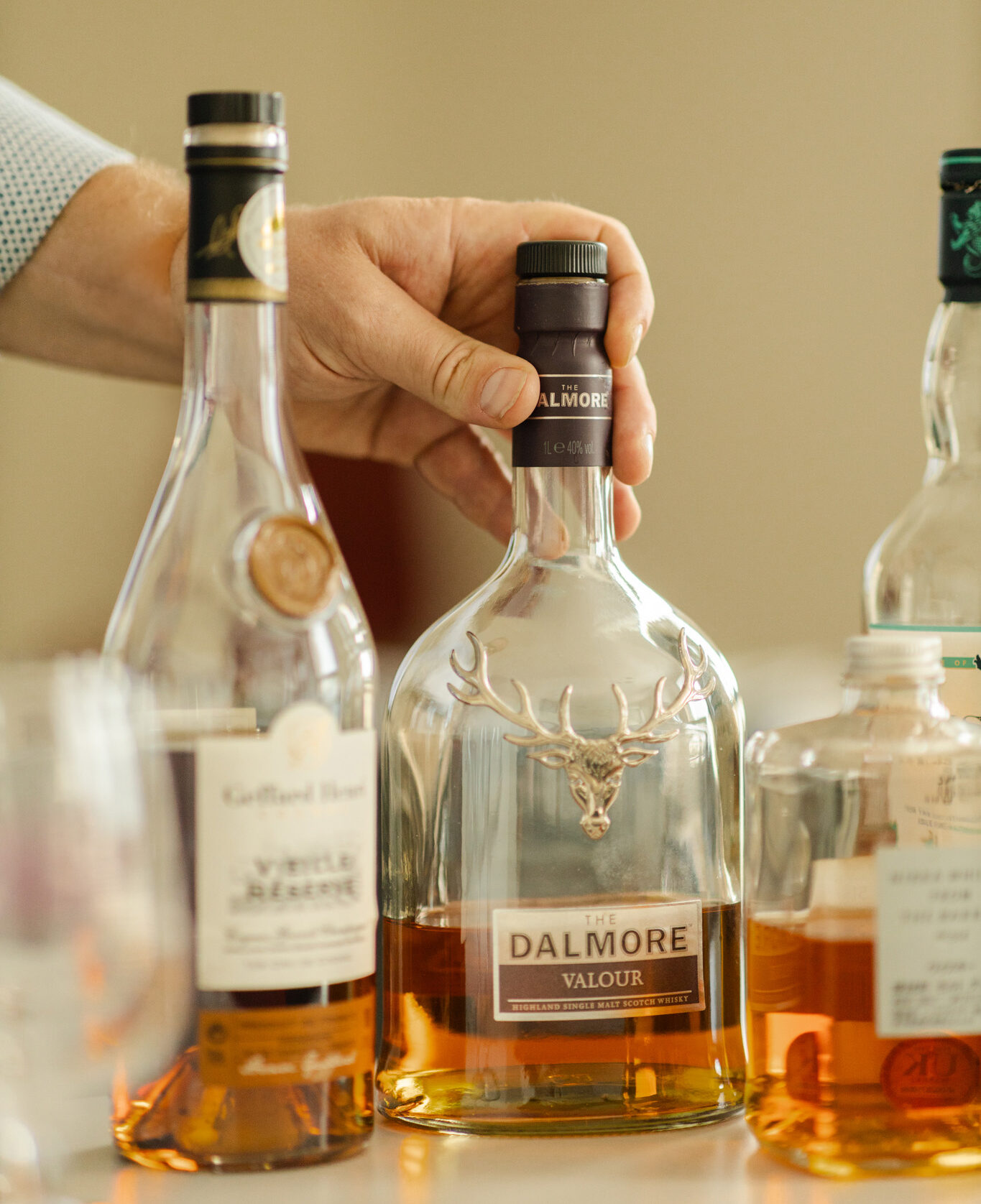
From understanding the difference between a single malt and a blended Scotch whisky to decoding age statements and classifications used for spirits such as Cognac and tequila, you’ll become more confident navigating the shelves.
2. Turn your nose into a flavour radar
Citrus, smoke, caramel, vanilla, spices… there’s more to a spirit than just its alcohol content.
Learning to taste spirits is about much more than deciding whether you like them. It’s about recognising aromas, identifying flavour characteristics and understanding what makes one spirit different from another.
With the WSET Systematic Approach to Tasting Spirits (SAT), you’ll learn to assess spirits in a structured way, paying attention to their appearance, aromas, palate and overall characteristics. You’ll also discover how raw materials, fermentation, distillation, maturation and other production choices influence what ends up in your glass.
Why does one rum taste fruity while another develops notes of caramel and spice? What gives certain whiskies their smoky character? And why can two gins have such different aromatic profiles? The more you understand the factors behind flavour, the more you can get out of every tasting.
3. Cocktails will beg for your attention
No more pouring spirits into a shaker and hoping for the best.
A great cocktail is all about balance. The spirit, acidity, sweetness and bitterness need to work together rather than compete for attention.
Through a WSET Spirits course, you’ll develop a better understanding of spirit styles and how they behave in cocktails. You’ll learn why some spirits work particularly well with citrus, why others bring depth and sweetness, and how to recognise the role each ingredient plays in the final drink.
Whether you’re experimenting with a classic Daiquiri, a Negroni or your own creations, understanding the spirit behind the recipe will help you make more informed choices.
4. Change your mind (and your favourites)
Think you hate peated whisky? Can’t stand gin? Don’t get the hype around rum? Keep an open mind.
Our preferences are often shaped by the first spirit we try, the brands we know or the styles we’re used to drinking. But the world of spirits is far more diverse than a single bottle or category can suggest. A WSET Spirits course introduces you to different spirit categories and styles, helping you understand what distinguishes them and how their production influences their character.
You might discover a gin with a more floral profile, a rum with unexpected complexity or a whisky whose smoky aromas finally make sense. Even within the same category, the differences can be remarkable. Learning to taste systematically also helps you separate personal preference from an understanding of a spirit’s characteristics and quality.
5. Speak the universal language of spirits
Because “this one tastes really good” only gets you so far.
Whether you work behind a bar, in hospitality, in retail or simply enjoy talking about what’s in your glass, being able to describe spirits clearly makes a difference.
WSET teaches a structured approach to tasting and a shared vocabulary for describing spirit characteristics. Instead of relying on vague impressions, you’ll learn to identify and communicate specific aromas, flavours and styles with greater confidence.
This knowledge can be particularly useful when recommending a bottle to a customer, discussing a spirits selection with a bar manager or buyer, or explaining the differences between products to colleagues.
Ready to take your spirits knowledge further?
Whether you want to deepen your passion for spirits or develop skills that are useful in the drinks industry, a WSET Spirits course is a great place to start. At Bernard-Massard Wine Academy in Luxembourg, you can explore the WSET Spirits qualifications in a structured learning environment, combining theory with guided tastings to build your knowledge and confidence.
New to spirits? The WSET Level 1 Award in Spirits introduces you to the main categories, production principles, flavours and serving practices.
Founded in 2023 by Bernard-Massard, a key player in Luxembourg’s wine industry since 1921, Bernard-Massard Wine Academy offers internationally recognised training for wine and spirits enthusiasts, curious learners and industry professionals. Since its launch, the Academy has trained more than 1,250 students, helping them deepen their knowledge and develop their tasting skills through WSET courses.
